The Smart Transport network emerged within the 2011 New Zealand election, to offer an insightful comparative overview on transport options for kiwi voters - 70% of whom weren't rapt with the idea of a refried utopia of 50's era private car dominance.
Basic branding, illustration, and an online presence with handy interactive infographics all came together inside of a week, as a well-oiled studio team showed some smart moves of its own.
With the backing of organisations like the WWF and Greanpeace, Smart Transport is looking to drive home the story of sustainable transport choices on a national and personal scale.
The Robin Hood Foundation functions as a bridge between effective community organizations and corporations wishing to support and identify with them. Originally briefed to develop a gritty, ‘socially realistic’ Robin Hood identity, our work extended through book and fundraising print design, new media design and sub-branding for a number of partnerships.
The Do Gooders book – authored to introduce corporates to the idea of developing a social responsibility policy, became a springboard for Robinhood to reclaim the business ethics lexicon from more cynical use.
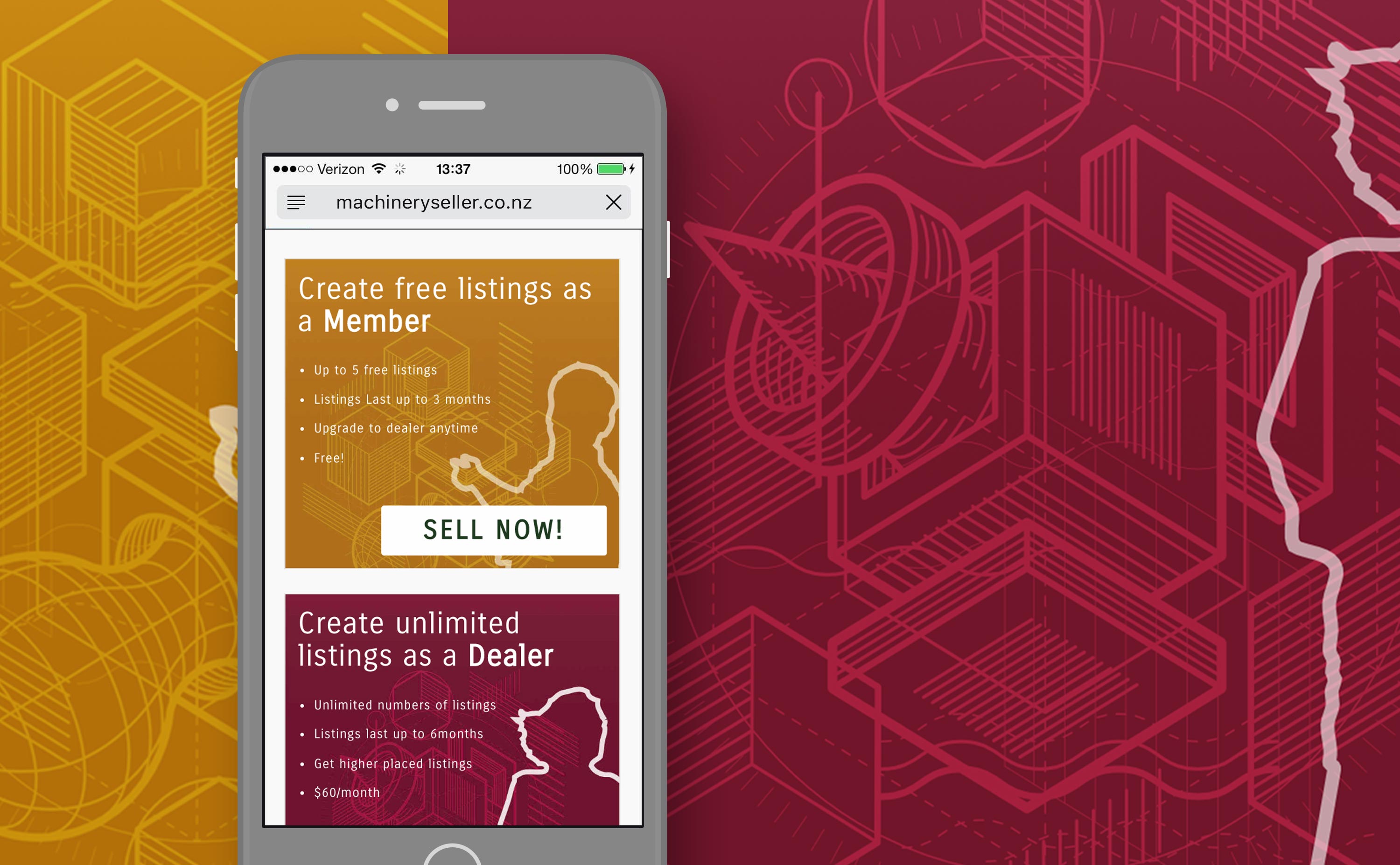
Canadian design firm Rayola had to deliver a Drupal based site as part of an overall brand and communications upgrade for ICA – a non-profit agency committed to integrating, supporting, and celebrating new migrants. In fact two sites: ICA had a parallel web presence for its popular annual Luminara festival which it needed integrating. Together with Rayola’s Clint Hutzulak, (handing ID and print design) we designed a site with distinct tonal personalities in each section. Beneath the hood, the ICA build marked the point at which we began to systematize our CMS approach, developing our custom Lightwork base theme, and essentially a meta foundation that we still use today.
A string of cycle riding casualties in a single week in the spring of 2010, doesn't change the little known fact that cycling is actually the safest mode of transport by the hour, even before health benefits are factored in. But any road deaths are too many, and Aotearoa’s aggressive car-dominated road culture needed a wake-up call.
Bikes for Life was a passionate creative initiative by ad creative Gregg Wood. We teamed up, contributing visual design, some PR action, and a power of people on pedals. Short term result: lead item coverage on ONEnews. Long Term result – let’s see this spring huh?
A rejuvenated identity to appeal to a younger demographic was the brief for the NZSO’s 2004 season design. With a brace of art music design already under my belt, this was something we were totally ready to take on.
Rather than get hung up on logos and colours and suchlike, we opted to get close up to present an understated, intimate, grainy portrait of the orchestra, and the drama of its real performance dynamics. This was directly opposite to previous visual promotions, which (with the exception of some steller work by Saatchis) had tended to come across as overly try-hard, and inconsistent.
The creative team included art photographers Wayne Wilson and Fiona Pardington, and a range of developers and production talent. Its probably fair to say that the results, applied through posters, programs, bus-backs and online, is still remembered by some as a high water mark in the NZSO’s visual design history, and after some, frankly fallow years, it's great to see the NZSO return to this approach more recently.
Being a contracted ‘radiator’ for smart branding house Radiation, enabled a rare disciplinary purity – focussing purely on design – in particular typography as the agency coordinated strategy, copy, photography, and production throughout this brand rejuvenation for Optometry chain Visique. This was a project that made everyone involved feel good, that creative contributors were being perfectly supported and complemented by their peers. Also feeling good, we understand, the client, and customers.
Inspiration comes easy when the brief is to promote sharp new musical talent, as a call to design a number of concert posters for the School of Music’s excellent performance space. Even easer, when it’s in a good cause, such as the School’s fundraiser for the Save The Children Fund.
The title of the featured repertoire offered almost too much inspiration. Damn, nothing to do but run with it. Yes, it got some attention, though not everyone one was amused, we gather.
A new niche German e-tailer was less than impressed with state of ecommerce design at home, and decided to look further afield – starting with visual identity. We took our cues from client’s world music associations, and target market proclivities, but wanted to integrate a little urban euro grit. The simple letterforms of the word ONE took care of the former, but type was to be the vehicle for the latter. To see that through properly, we went as far as a roll your own typeface, borrowing a little from a long time gave grunge version of the classic Eurostile font – but little less hairy, and importantly simplified enough to work as an @fontface webfont.
A mutual world music related connection via a NZ expat lead to an interesting German based web design project, spanning a rich diversity of indigenous cultures: The legacy site was one of those so hard to navigate, so un-designed, that at first we missed 75% of the site content we had to migrate – which is a remarkably common hazard, in the site migration business. BlueJay organizes workshops and meetings with renowned shamans from around the world, mainly in Munich and Rosenheim, and now their events can be found.
It’s easy to be glib about the land settlement process, but getting a grip on the scale of historic losses usually puts things into a healthy context. A little north of Tamaki Makaurau, the South Kaipara hapu of Ngati Whatua has endured a long struggle for redress of a small portion of the loss of their ancestral land.
It’s been vital to ensure that both the local community and an extended diaspora were kept up to date and involved in serious decisions about their future stake-holding.
Kaiparamoana.com was our first fully hands-on Drupal CMS based project. CiviCRM was subsequently integrated to enable Kaiparamoana staff to manage communications, particularly with newly ‘of age’ eligible stakeholders. It’s been a delight to be able to follow up and extend this system over the following years – and see the community step by step realize its aspirations in its dealings with the crown.
A call to develop an online presence and for arts-led projects addressing sustainability and ecology hit all the right spots for us. Even more so when Now Future was to break out with its Dialogues With Tomorrow program – essentially a series of encounters between cultural leaders and scientists, reflecting on the increasingly pressing environmental questions of the day.
After a number of design iterations, we came back to the original identity concept, which we’d set aside because maybe it was too simple, too easy. Of course simplicity as a design virtue isn’t lost on us, but it’s temping to want to complexify things. It’s nice when you’re right first time, it would be nicer still if you happen to realize it at the time! The site is one of our early Drupal builds, integrated with the powerful CiviCRM system for communications and audience management.
Often CRM – Customer (or Constituent) Relationship Management systems are an addition to a project – and the Drupal CMS offers a relatively seamless integration with CRM functionality. This Auckland community agency, however, came with specific requirement for a CiviCRM system – and they already had a site, with a capable, but less sophisticated CMS. And five different databases they needed to integrate. No strangers to CiviCRM, we were able to integrate NSCSS’s databases into civiCRM, and upgrade the site to Drupal CMS, with a bonus usability-focused design refresh.
Hirini Melbourne is from Tuhoe and Ngati Kahungunu. A writer of stories, a composer, singer and an academic, he contributed to the revival of te reo, with dozens of his now classic songs sung in classrooms throughout Aotearoa. Born into brass bands, Richard Nunns sought refuge in jazz and improvised music, before coming to focus on Maori instruments – or taonga pourou.
Their 1994 gold-disc-winning release Te Ku Te Whe is considered the defining album of taonga pourou. After a long recording gap, they were joined by Aroha Yates-Smith for Te Hekenga-a-rangi in 2003, in the final weeks of Hirini’s life as he stared down cancer. I was privileged to shoot the session, before taking on the design, working with fine arts photographer Maureen Lander on the CD/DVD package.
PITCH BLACK, WARREN MAXWELL, RHIAN SHEEHAN, SALMONELLA DUB, SJD, SOLA ROSA, LEE PREBBLE, EPSILON BLUE, UNITONE HI FI, VICTORIA KELLY, FARMER PIMP, THE NOMAD, CHRIS MACRO. This dream team remixed Hirini Melbourne and Richard Nunns' classic Te Ku Te Whe – the definitive album of taonga pouro, or maori instruments recorded in 1993.
After working on design refreshes for Te Ku Te Whe, then designing their late follow-up: Te Hekenga-a-rangi, I found Te Whaiao offered a challenge similar to that thrown down to the music remixers: How to respectfully reinterpret the original appropriately to a new time and context.
I spent some time with Maureen Lander, who contributed the original albums haunting cover photograph. And some design elements presented themselves during mastering sessions when the engineers display monitor crashed, reforming the music’s waveforms into blazing horizontal bands of noise. Even the SKU barcode ultimately got in on the act. For me, as co-producer of the album, its musical creation hadn’t been easy, but the design seemed to flow effortlessly. Te Whaiao was awarded Maori Album of the Year in 2006.
In classical music terms, John Psathas is a Peter Jackson: an artist with a major international career, but who has chosen to continue working out of a low-key environment in Wellington. He may be best known for (along with Bjork) writing the ceremonial music for the 2004 Athens Olympics, heard by around 2 Billion people.
Capable of immense complexity, he has chosen to use his gift in a way that engages with a relatively broad audience, building on familiar touchstones of rhythm and tonality in fresh, invigorating new ways, and unlike many contemporary composers, speaking to the heart as much as the head. “Rather than build a standalone site, John sought a simple portal to the various existing avenues emerging to access his music: live, recorded, and as scores. His monumental contemporary concerto album View From Olympus, had just come out, which had an identity of it’s own, but one that he wanted to both reference and compliment. Yes that’s a thing we can do. So we did.