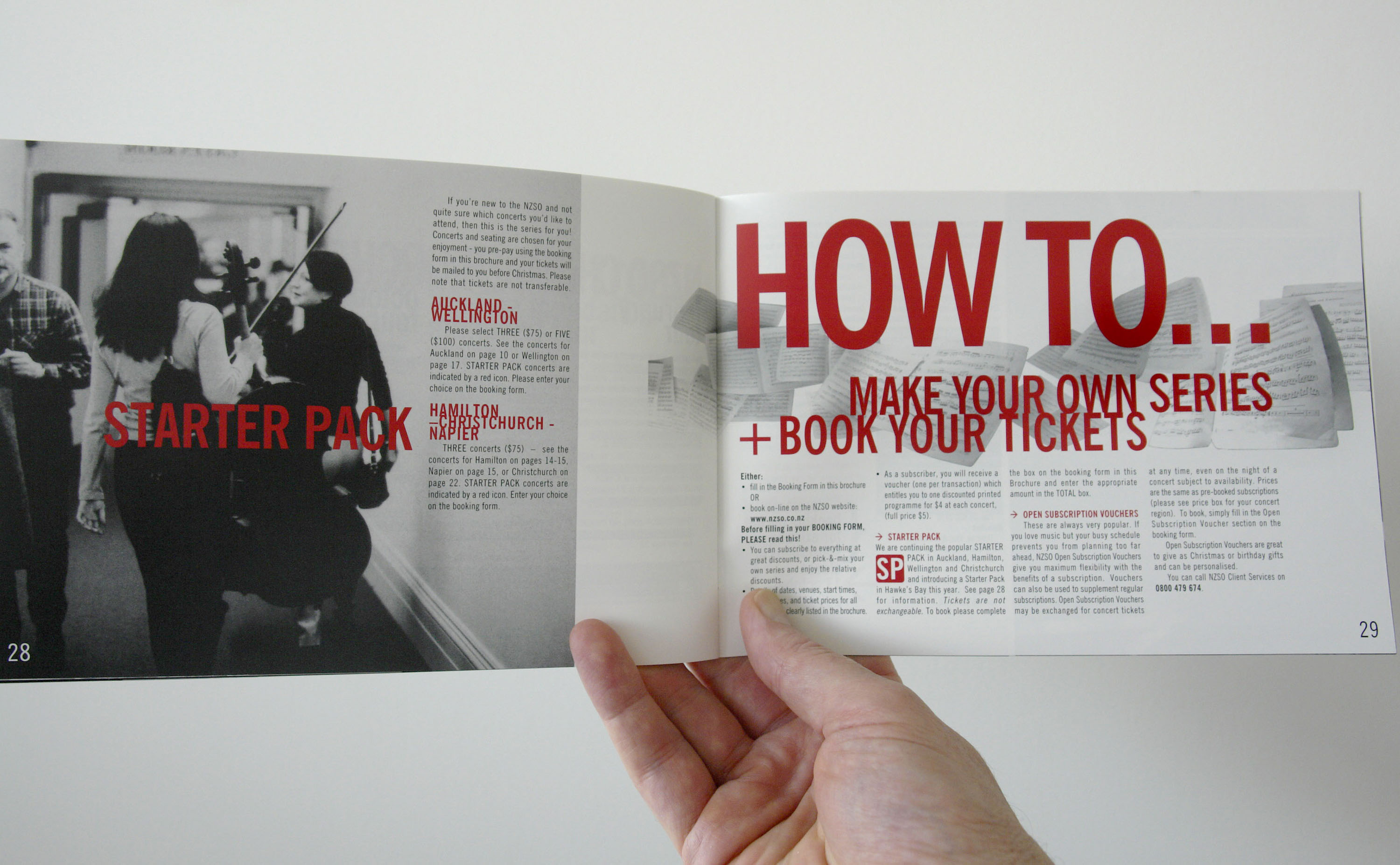
A rejuvenated identity to appeal to a younger demographic was the brief for the NZSO’s 2004 season design. With a brace of art music design already under my belt, this was something we were totally ready to take on.
Rather than get hung up on logos and colours and suchlike, we opted to get close up to present an understated, intimate, grainy portrait of the orchestra, and the drama of its real performance dynamics. This was directly opposite to previous visual promotions, which (with the exception of some steller work by Saatchis) had tended to come across as overly try-hard, and inconsistent.
The creative team included art photographers Wayne Wilson and Fiona Pardington, and a range of developers and production talent. Its probably fair to say that the results, applied through posters, programs, bus-backs and online, is still remembered by some as a high water mark in the NZSO’s visual design history, and after some, frankly fallow years, it's great to see the NZSO return to this approach more recently.
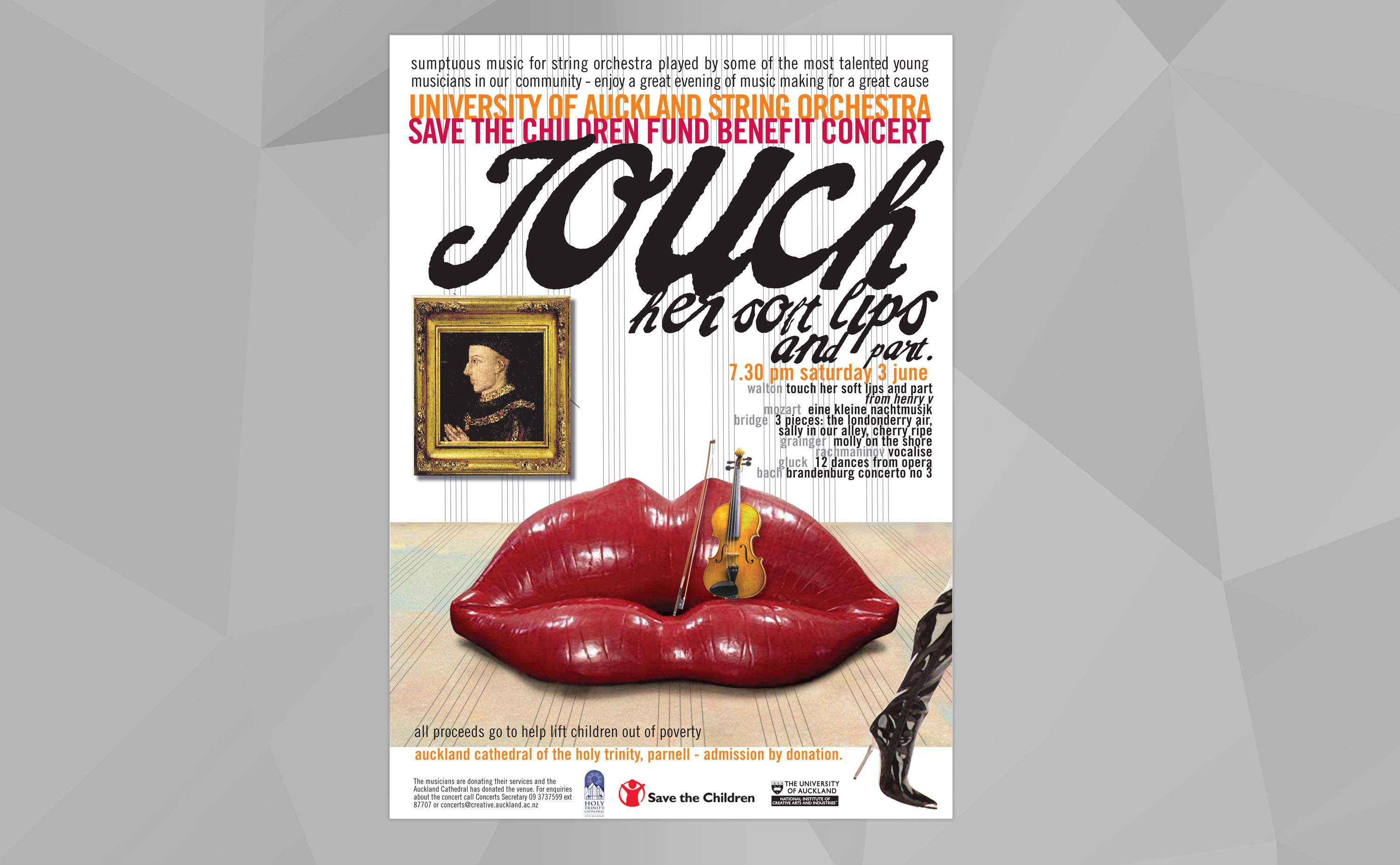
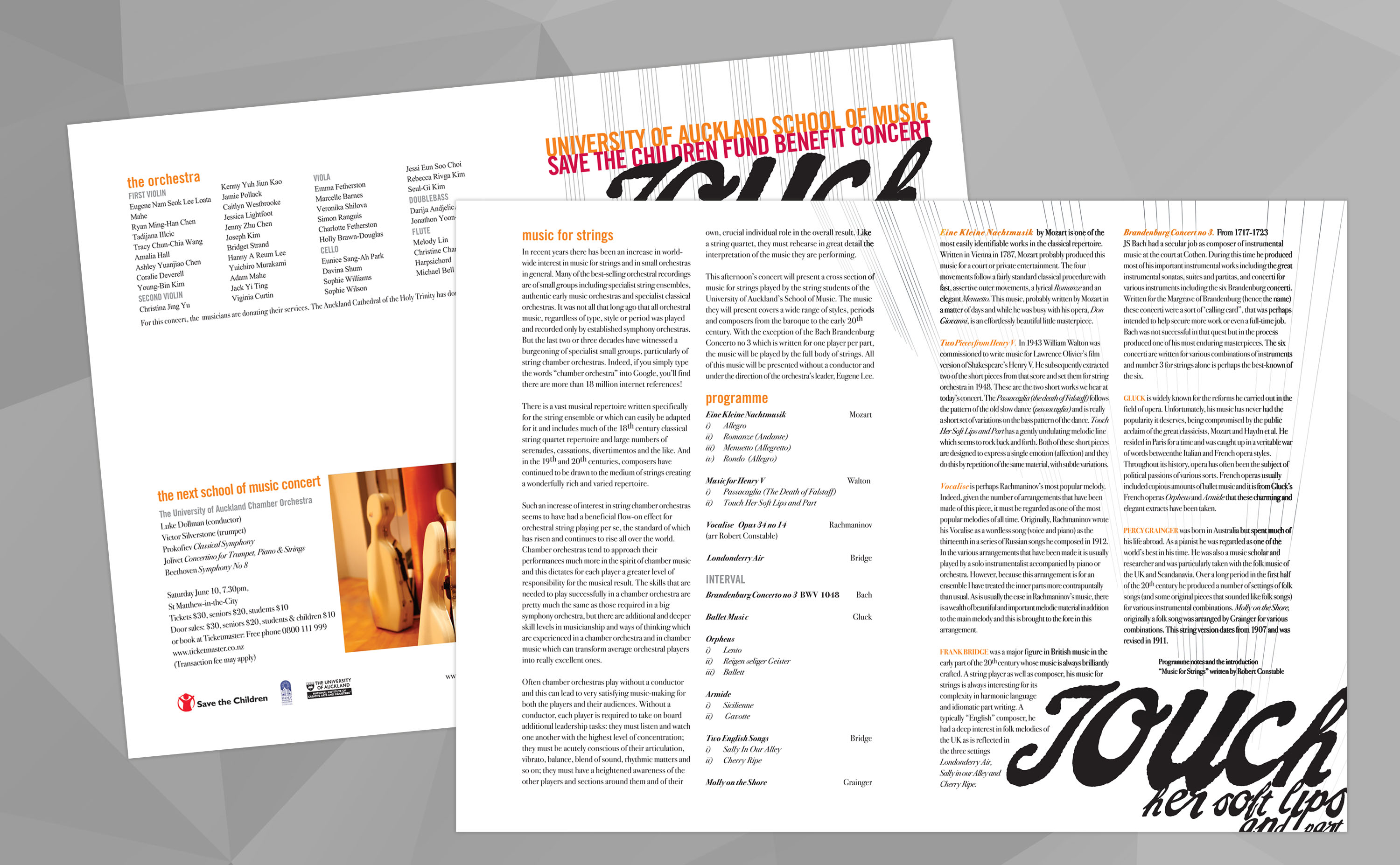
Inspiration comes easy when the brief is to promote sharp new musical talent, as a call to design a number of concert posters for the School of Music’s excellent performance space. Even easer, when it’s in a good cause, such as the School’s fundraiser for the Save The Children Fund.
The title of the featured repertoire offered almost too much inspiration. Damn, nothing to do but run with it. Yes, it got some attention, though not everyone one was amused, we gather.
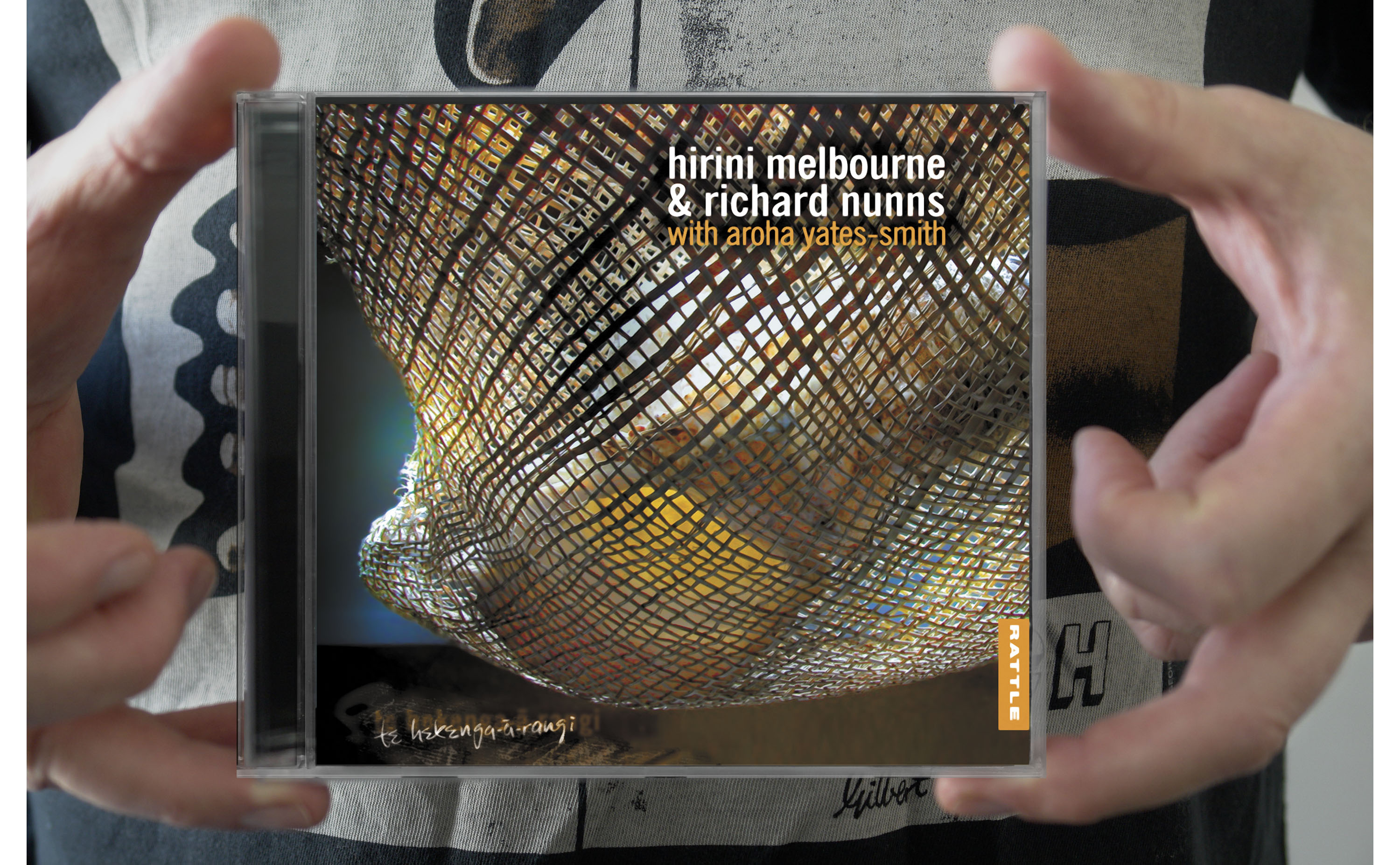
Hirini Melbourne is from Tuhoe and Ngati Kahungunu. A writer of stories, a composer, singer and an academic, he contributed to the revival of te reo, with dozens of his now classic songs sung in classrooms throughout Aotearoa. Born into brass bands, Richard Nunns sought refuge in jazz and improvised music, before coming to focus on Maori instruments – or taonga pourou.
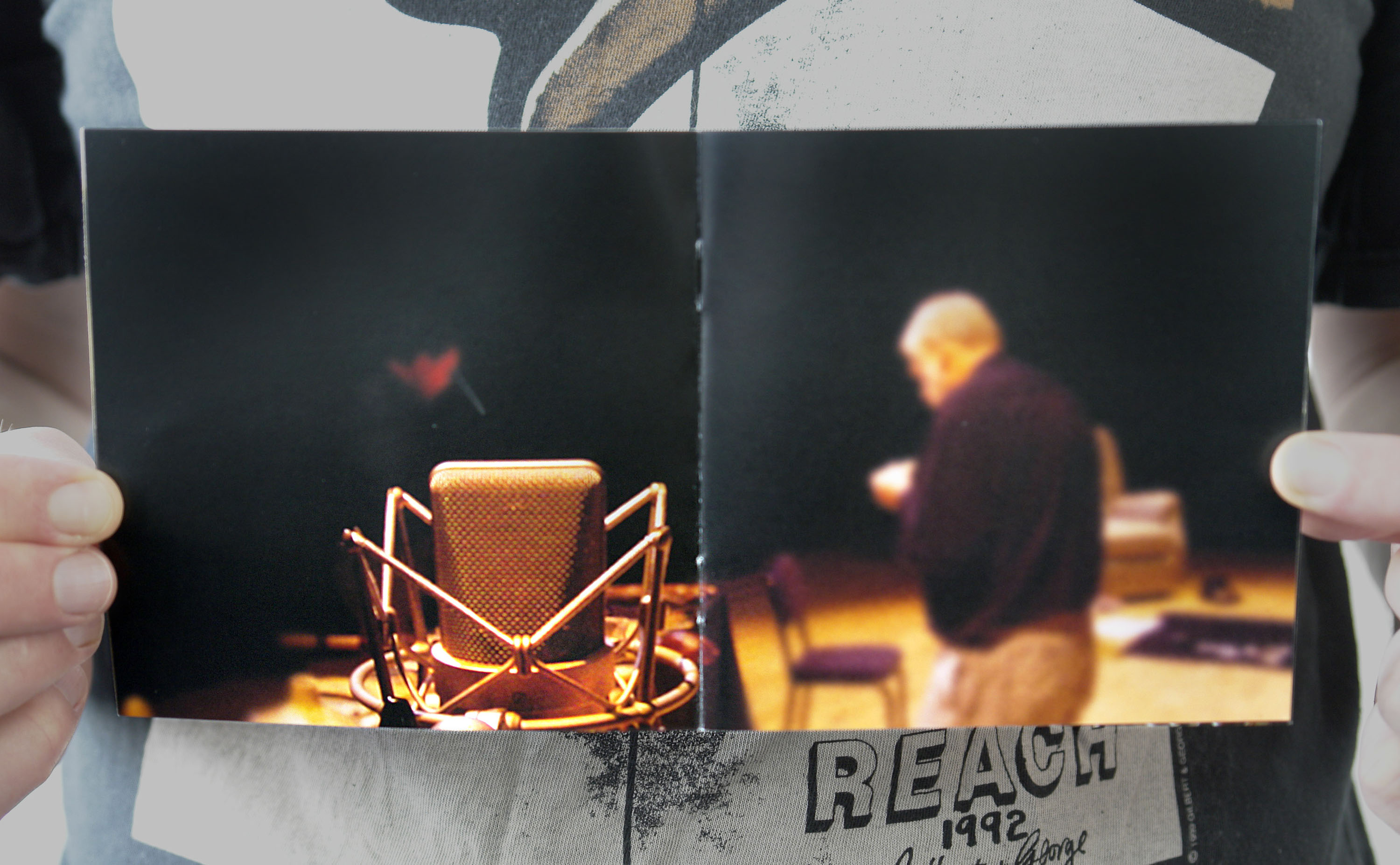
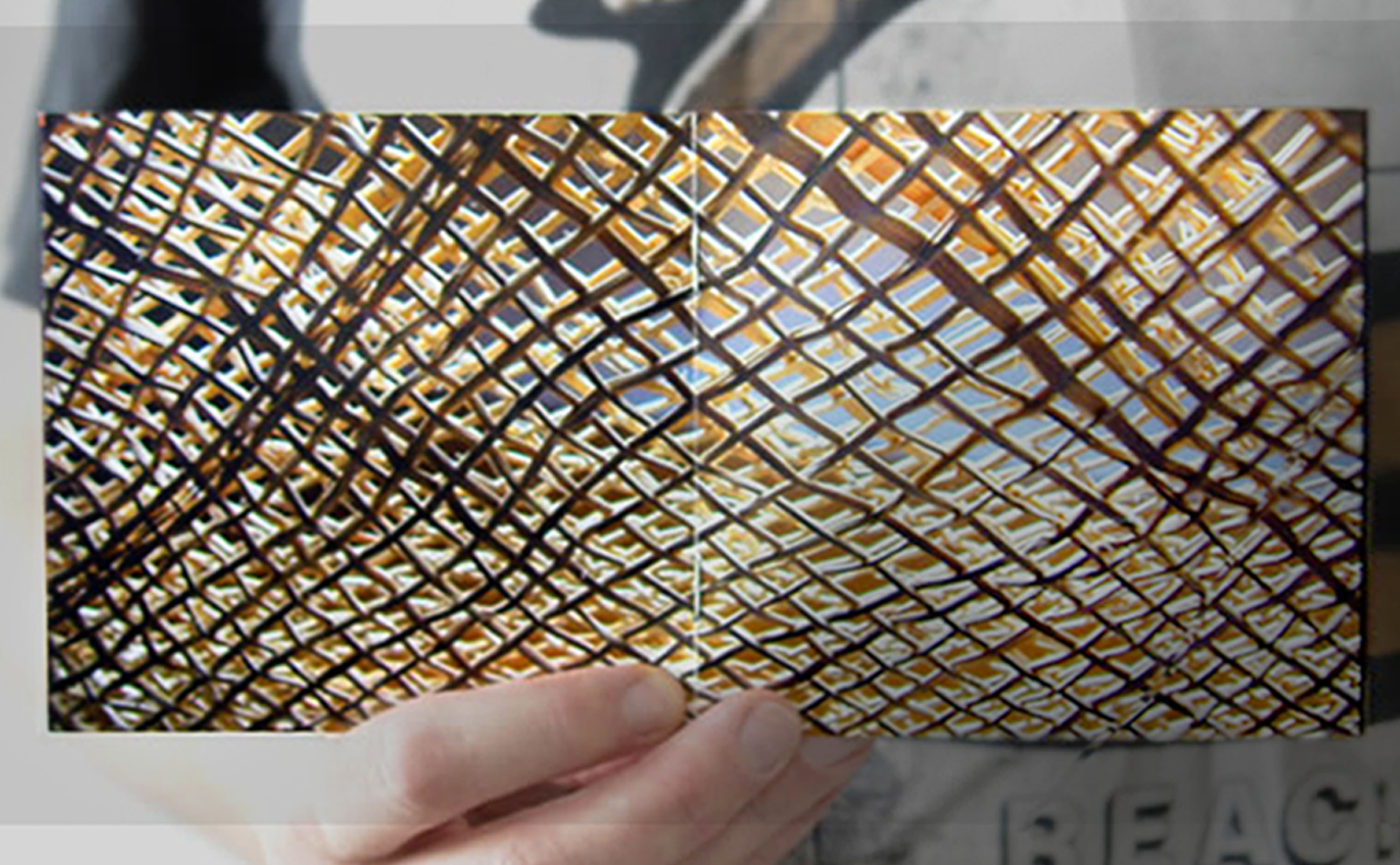
Their 1994 gold-disc-winning release Te Ku Te Whe is considered the defining album of taonga pourou. After a long recording gap, they were joined by Aroha Yates-Smith for Te Hekenga-a-rangi in 2003, in the final weeks of Hirini’s life as he stared down cancer. I was privileged to shoot the session, before taking on the design, working with fine arts photographer Maureen Lander on the CD/DVD package.
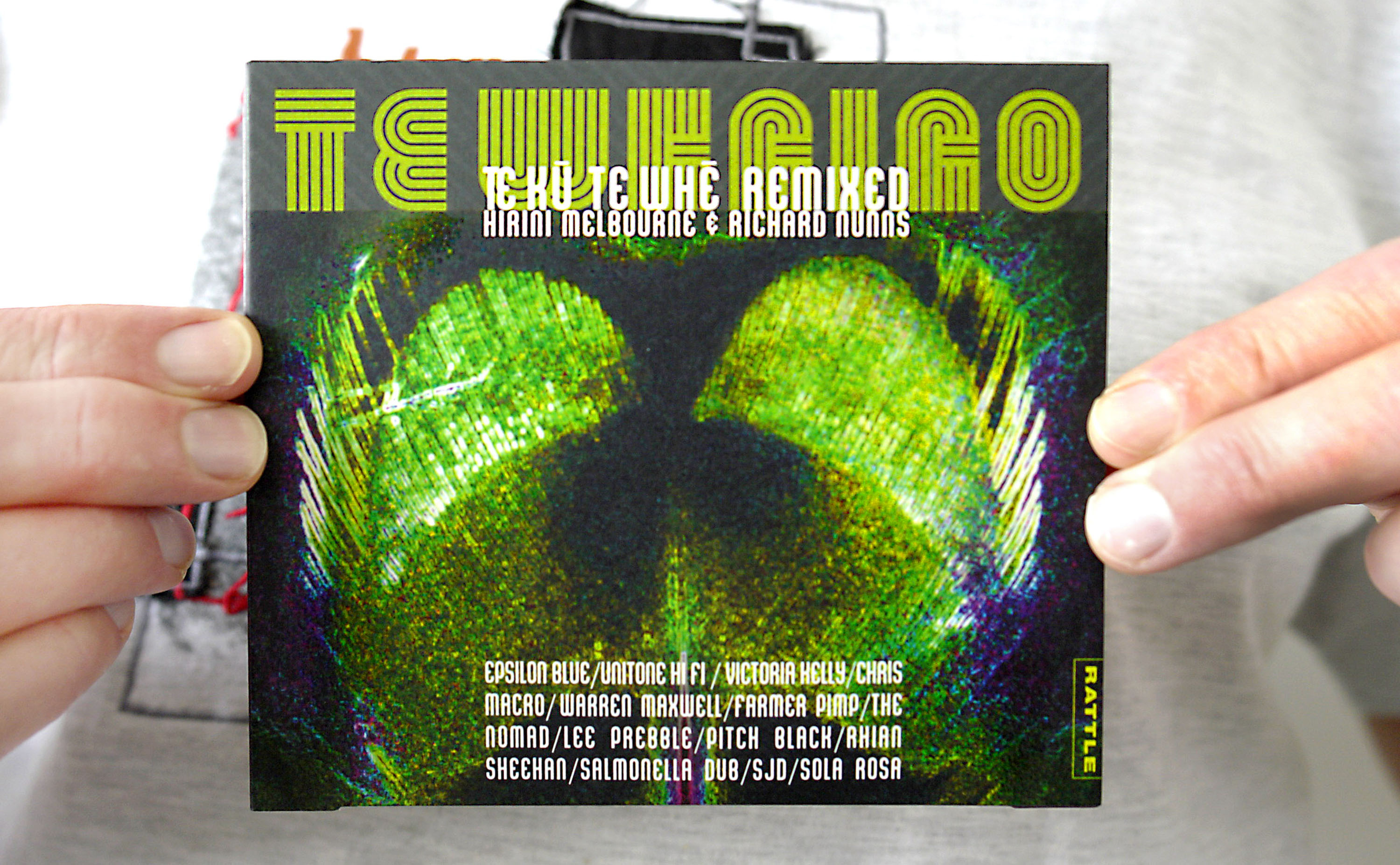
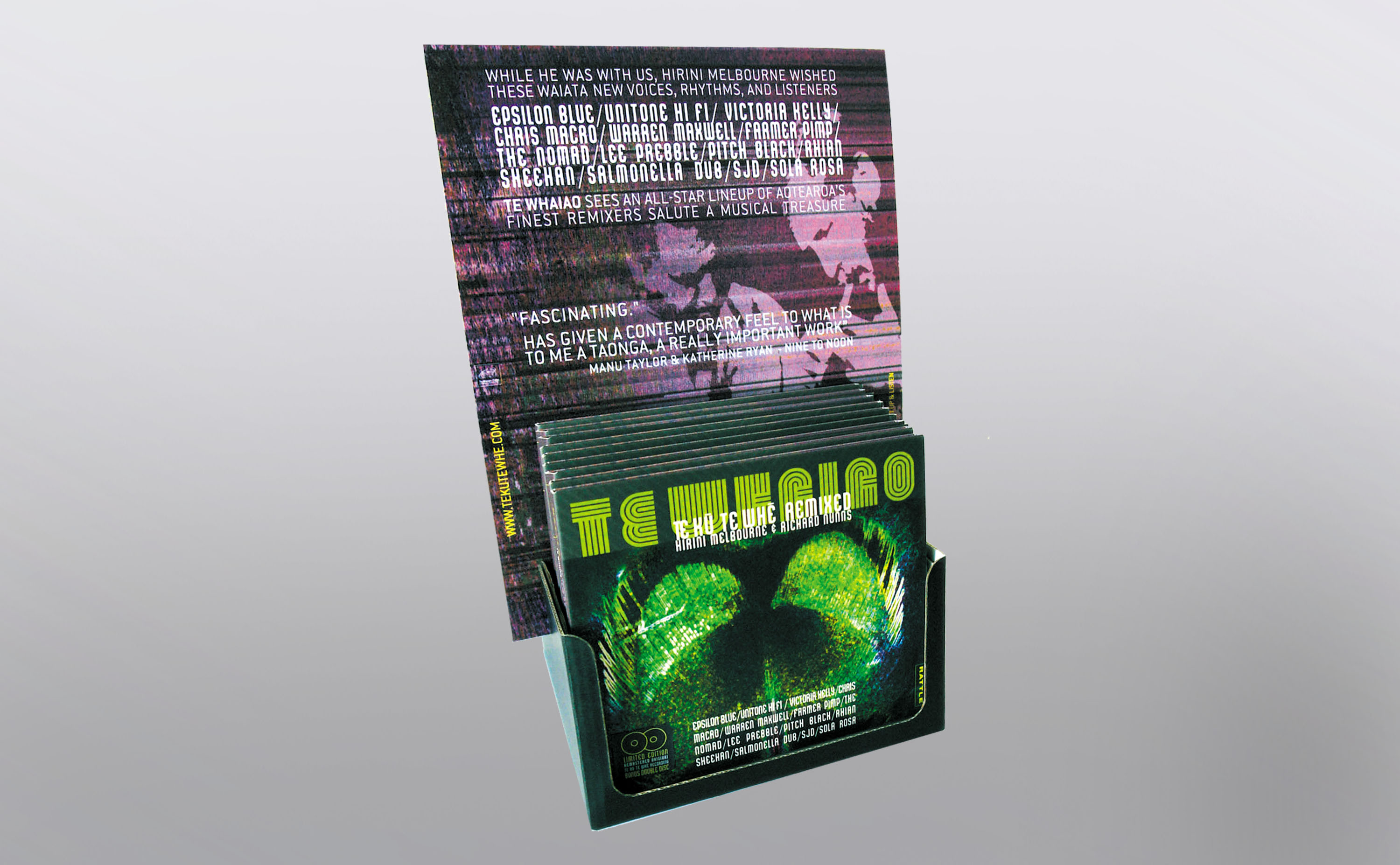
PITCH BLACK, WARREN MAXWELL, RHIAN SHEEHAN, SALMONELLA DUB, SJD, SOLA ROSA, LEE PREBBLE, EPSILON BLUE, UNITONE HI FI, VICTORIA KELLY, FARMER PIMP, THE NOMAD, CHRIS MACRO. This dream team remixed Hirini Melbourne and Richard Nunns' classic Te Ku Te Whe – the definitive album of taonga pouro, or maori instruments recorded in 1993.
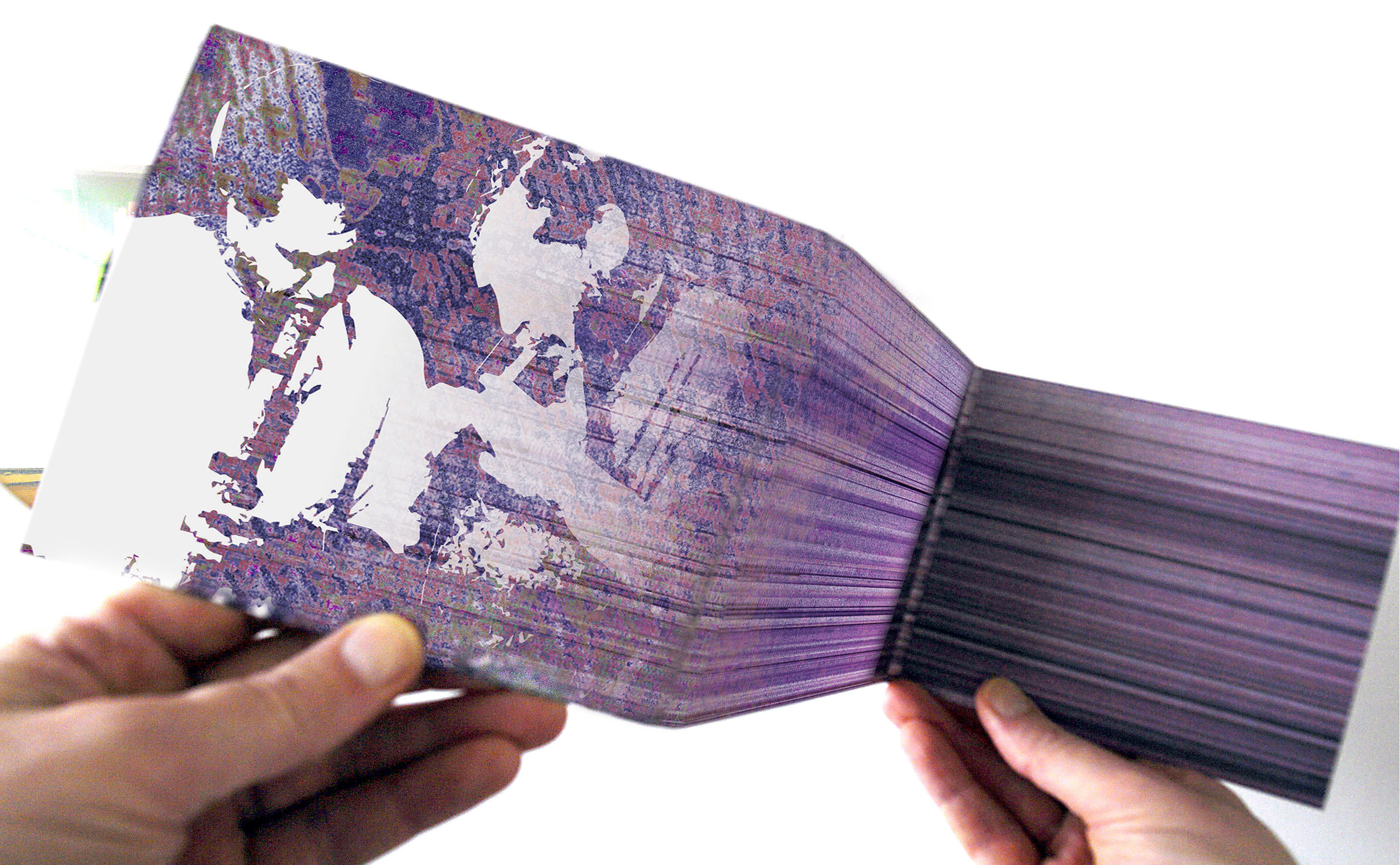
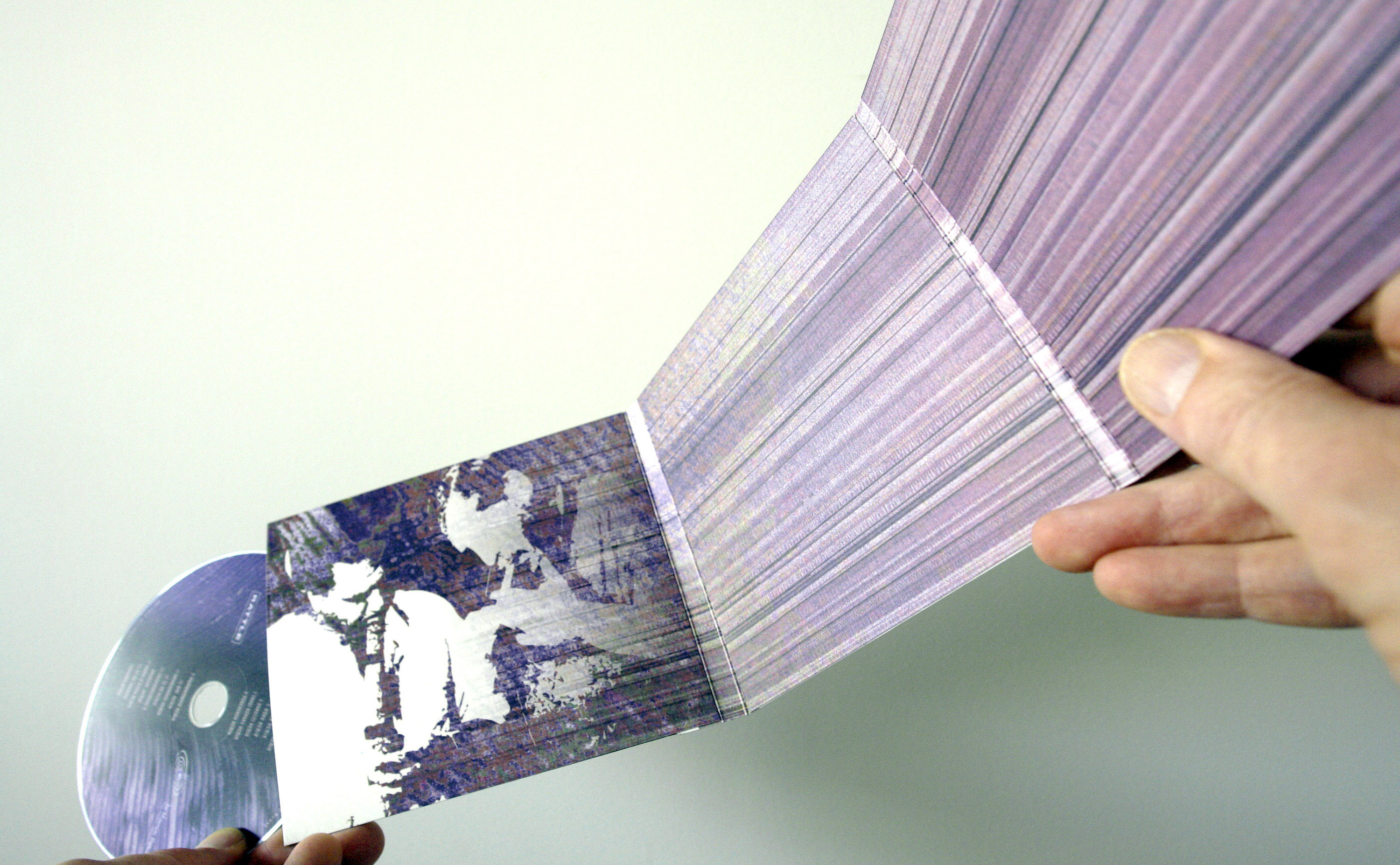
After working on design refreshes for Te Ku Te Whe, then designing their late follow-up: Te Hekenga-a-rangi, I found Te Whaiao offered a challenge similar to that thrown down to the music remixers: How to respectfully reinterpret the original appropriately to a new time and context.
I spent some time with Maureen Lander, who contributed the original albums haunting cover photograph. And some design elements presented themselves during mastering sessions when the engineers display monitor crashed, reforming the music’s waveforms into blazing horizontal bands of noise. Even the SKU barcode ultimately got in on the act. For me, as co-producer of the album, its musical creation hadn’t been easy, but the design seemed to flow effortlessly. Te Whaiao was awarded Maori Album of the Year in 2006.
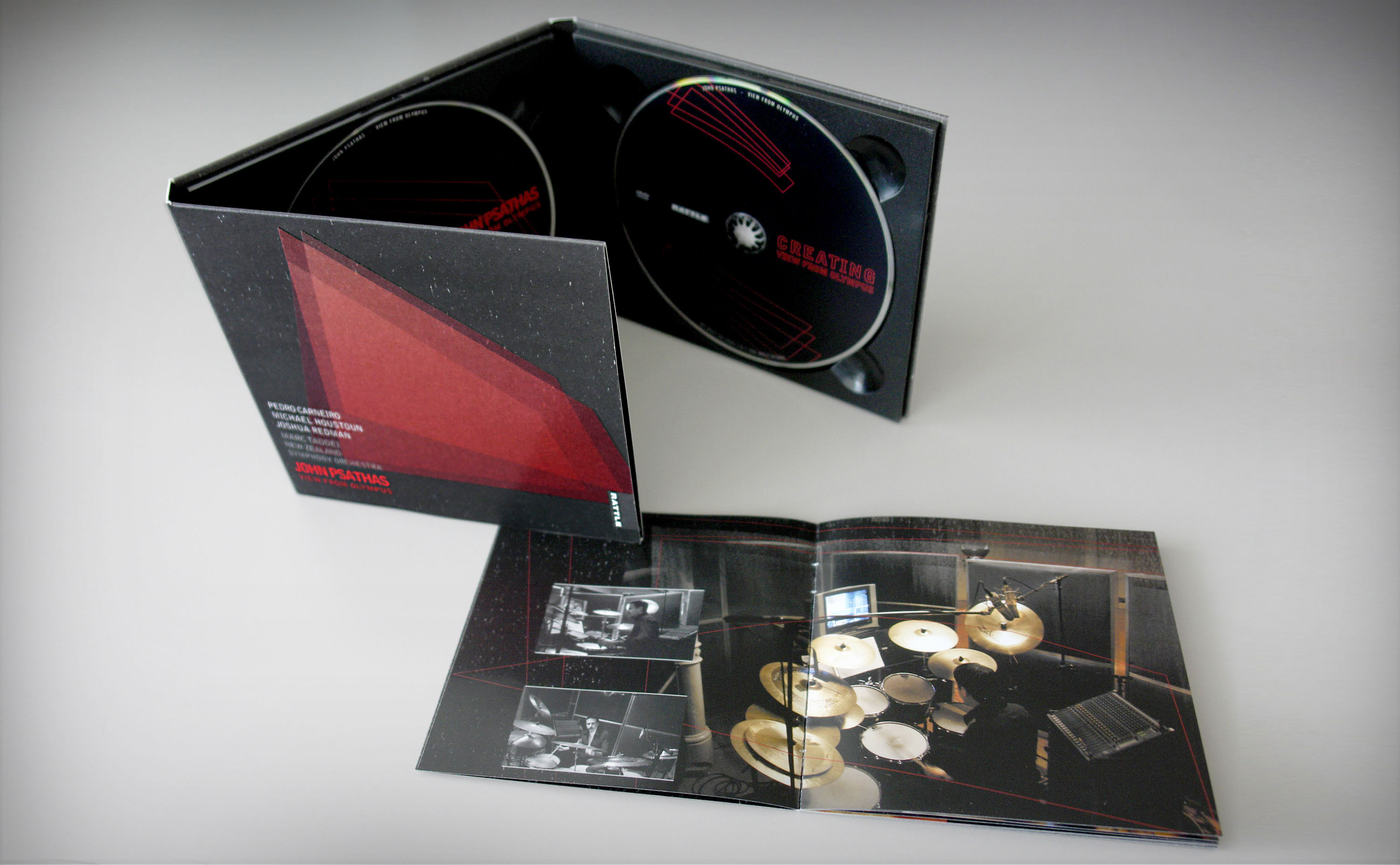
In classical music terms, John Psathas is a Peter Jackson: an artist with a major international career, but who has chosen to continue working out of a low-key environment in Wellington. He may be best known for (along with Bjork) writing the ceremonial music for the 2004 Athens Olympics, heard by around 2 Billion people.
Capable of immense complexity, he has chosen to use his gift in a way that engages with a relatively broad audience, building on familiar touchstones of rhythm and tonality in fresh, invigorating new ways, and unlike many contemporary composers, speaking to the heart as much as the head. “Rather than build a standalone site, John sought a simple portal to the various existing avenues emerging to access his music: live, recorded, and as scores. His monumental contemporary concerto album View From Olympus, had just come out, which had an identity of it’s own, but one that he wanted to both reference and compliment. Yes that’s a thing we can do. So we did.
Being a part of the production of (2004 Olympics composer), John Psathas’ View From Olympus, has been an amazing privilege. Apart from – as Executive Producer – the fulfilment of assembling a an ensemble of the some of world’s best musicians, including sax player Joshua Redmond – of whom I was already a fan – View From Olympus has been a great opportunity to push some boundaries in terms of the approach to its design and positioning, involving strategy, photography, web design, point of sale. All facets of the project came in for widespread critical acclaim. It engaged both traditional concert-going audiences and non-classical audience to pull their perceptions of ‘contemporary classical’ music back out of the too hard basket. The Album won Classical Album of the Year and the design was a finalist for Best Cover. PM Helen Clark gave Condoleeza Rice a copy when she visited the White House. VFO was the biggest selling ‘classical’ album in Aotearoa for 6 months straight – Please just don’t tell anyone it’s not really classical music.
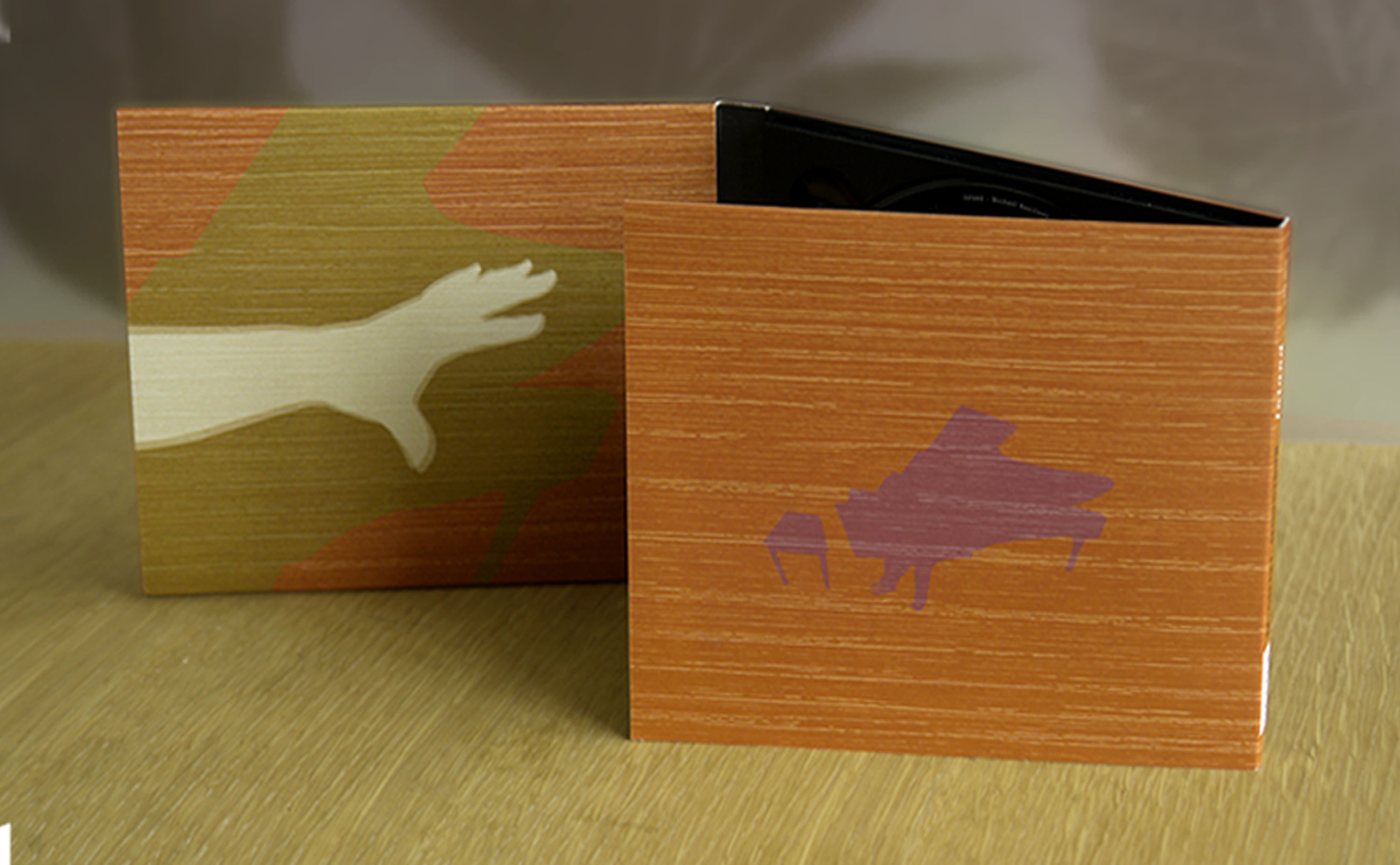
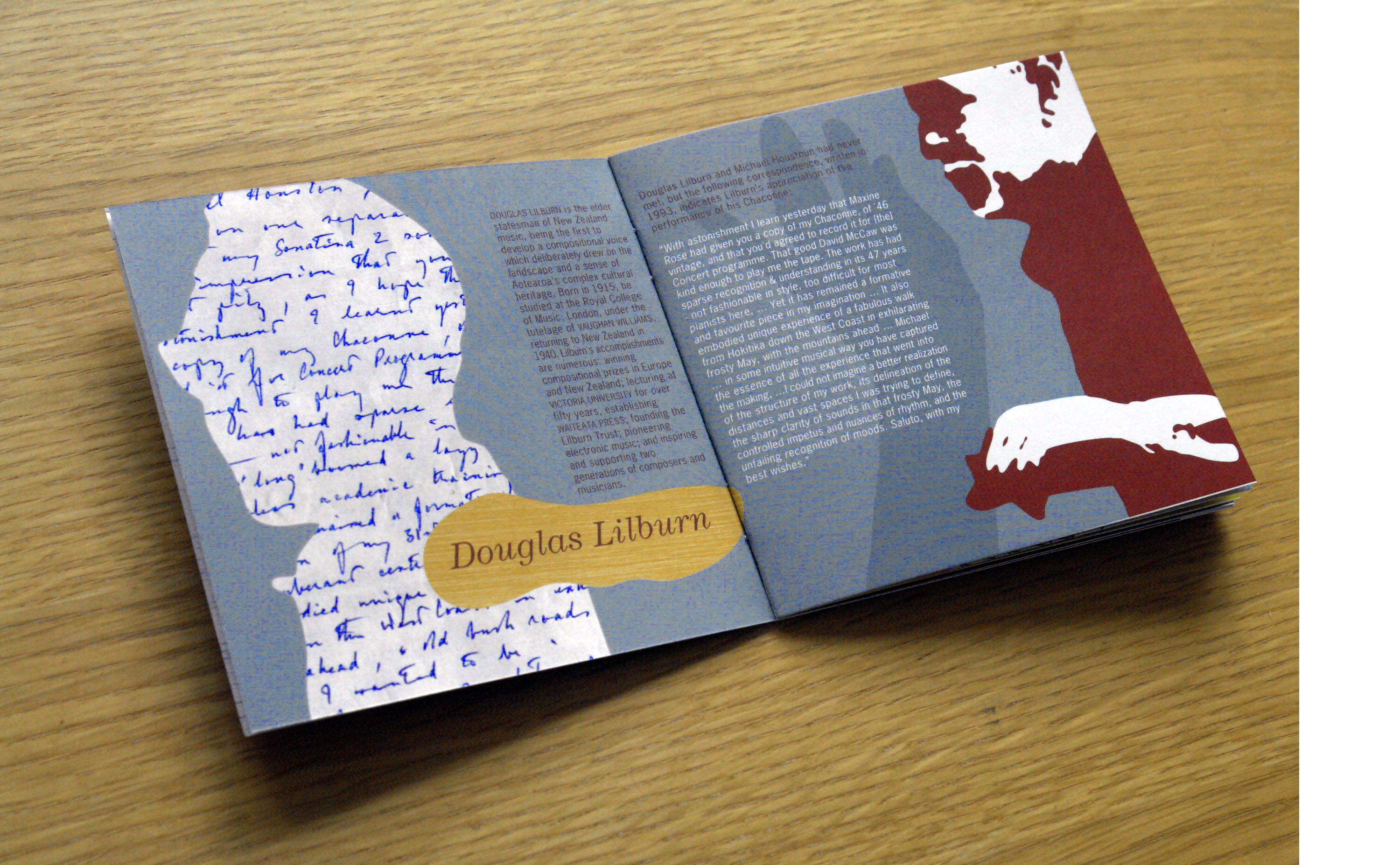
How does a miniscule record label follow up a massive orchestrated production that has been sitting at the top of the classical charts for six months? With an intimate solo piano album by one of that last album’s featured performers.
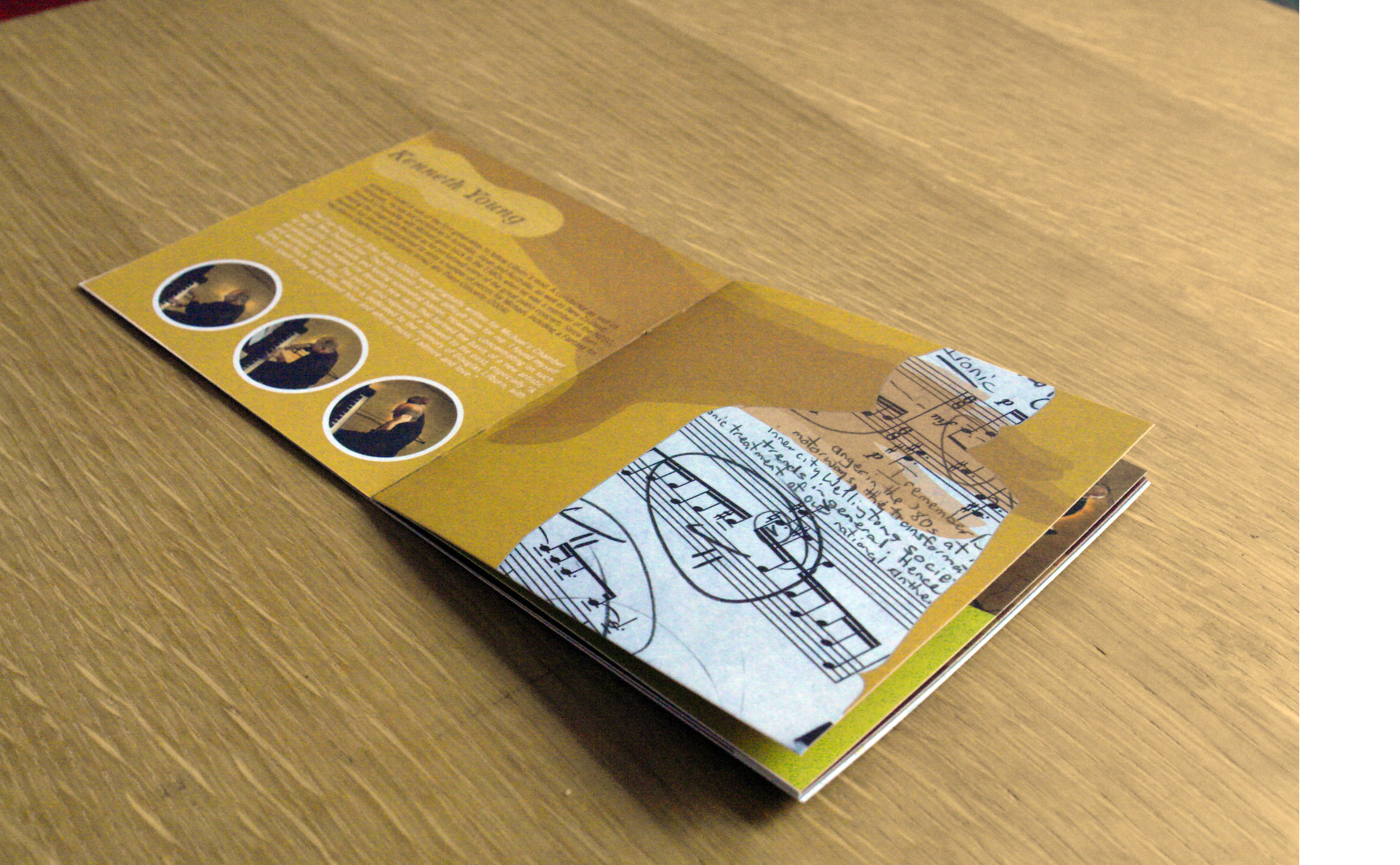
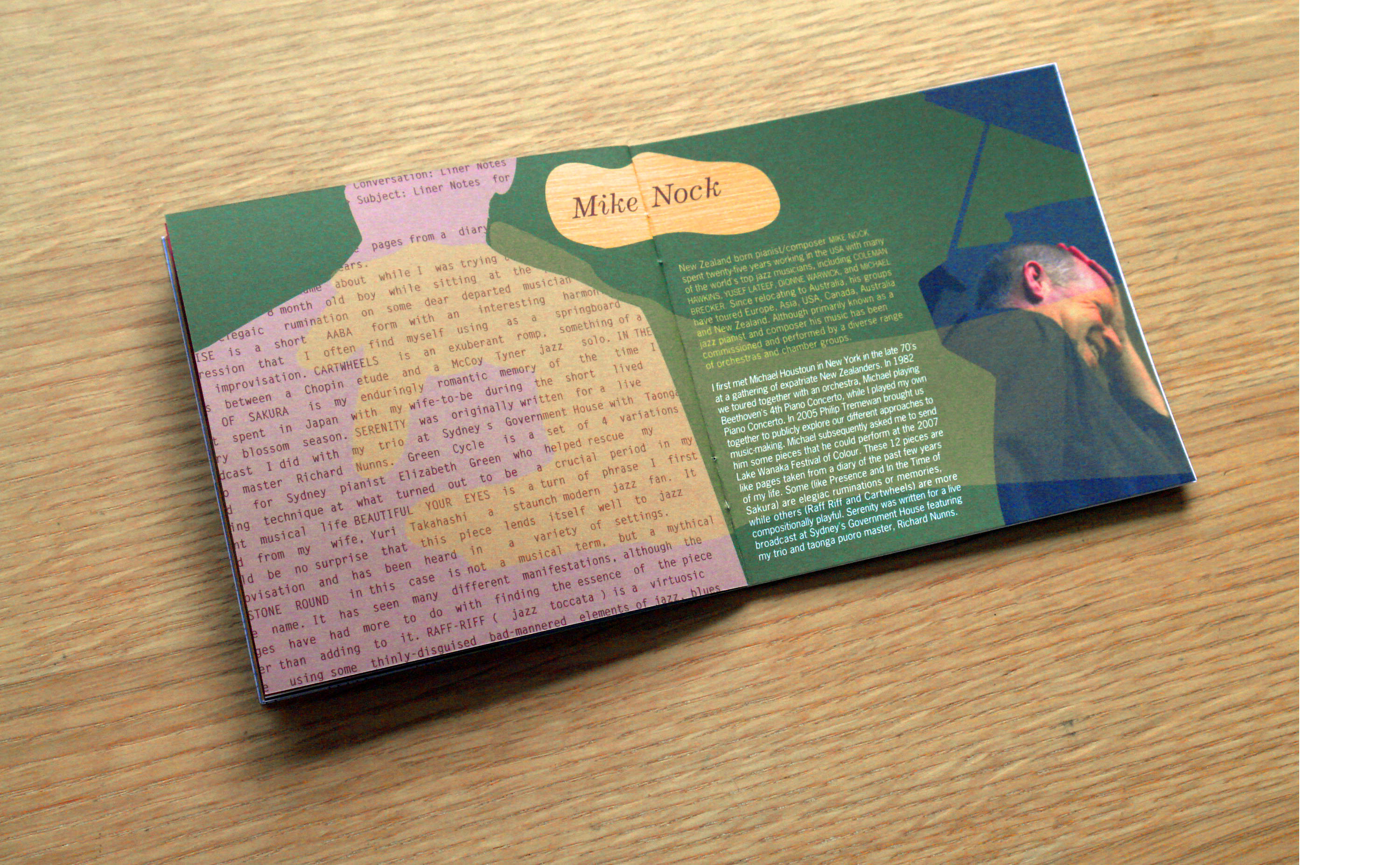
Michael Houstoun has been long recognized as this countries best pianist – but mostly for ‘established’ traditional music. At a decisive point in his artistic career, Michael committed himself to something completely different.
Inland is an album of New Zealand composed music for solo piano, moving from mid 20th century lyricism, to the highly rhythmic and percussive, to quietly reflective, to a sizable portion of jazz pieces – and somehow, over this two disc set, holding it together.
OK, so the metaphor behind this label’s name might not be immediately obvious to the uninitiated: A singing frog is symbolic of the healing waters of the new rains called down by the frog’s song to end drought, implying enjoyment and abundance. But in identity terms we saw little fundamentally broken needed fixing.
But we set the logo type in a direction more evocative of the ‘world travelling’ sensibility associated with the music, and re-rendered the frog him/herself.
The site is testimony to Drupal’s suitability to sites both small and large – in this case the former was realized lickity spit, and still easy for the publisher to maintain.
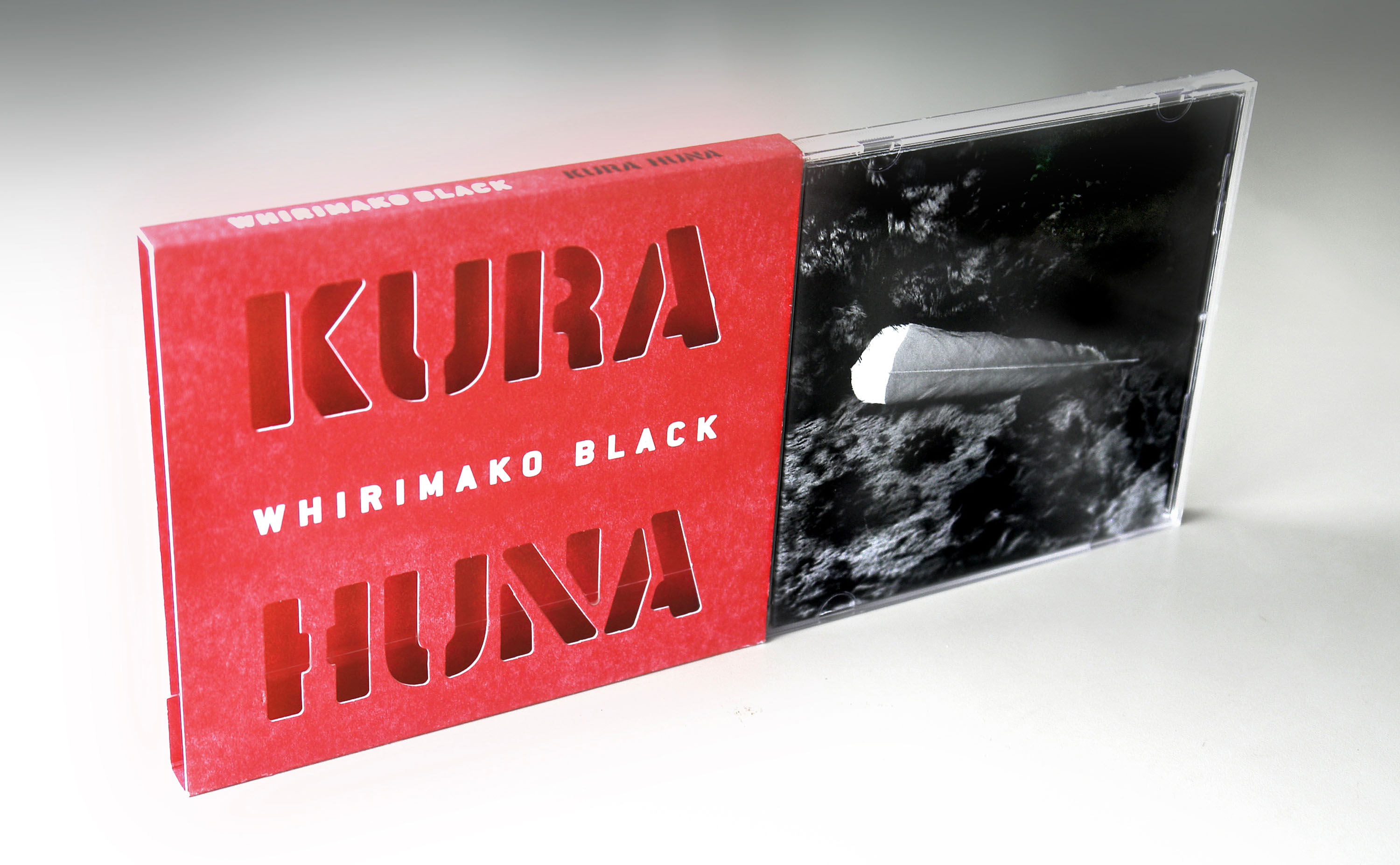
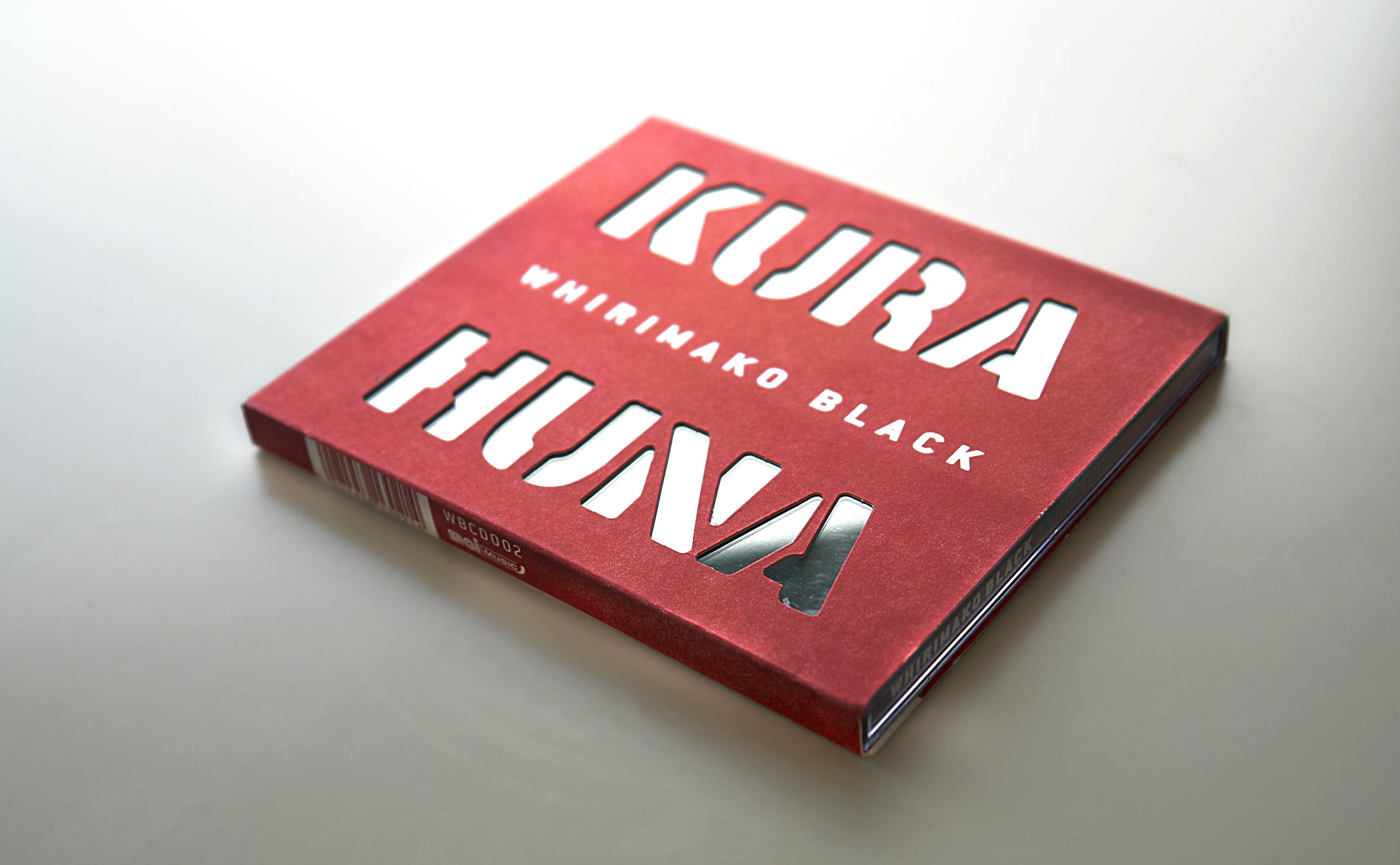
It was a great honour to be asked to design a cover for Whirimako, one of THE truly great voices of Aotearoa, for Mai Music. Kura Huna literally means Hidden Treasures, which was a great springboard for the design approach to exploit the ‘slow reveal’ potential of the CD package format – is otherwise a very constraining format to work with.
From the outside, the die cut lettering of this CD sleeve reveals only a glimpse of Fiona Pardington’s wonderful photography. Inside we continued with this simple typography and black and white photography, to match the bare acoustic nature of the production.